Is Plug-In Solar Safe? Backfeeding vs. Sharing, Decoded
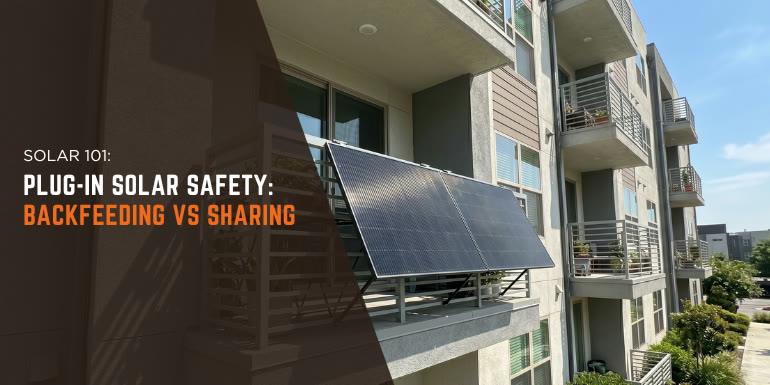
Short answer: yes, plug-in solar is safe. But the reason utilities and lawmakers spent so long arguing about it comes down to one word: backfeeding.
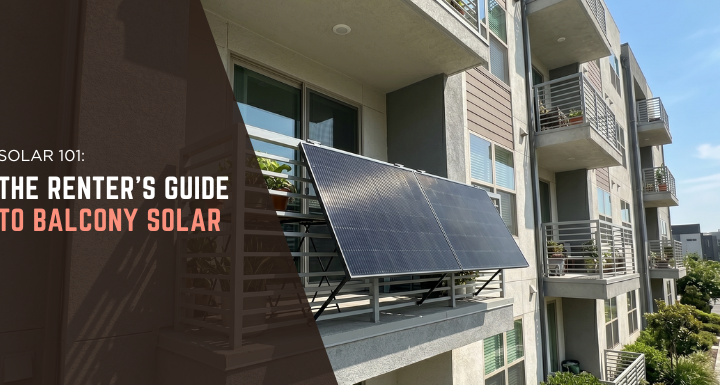
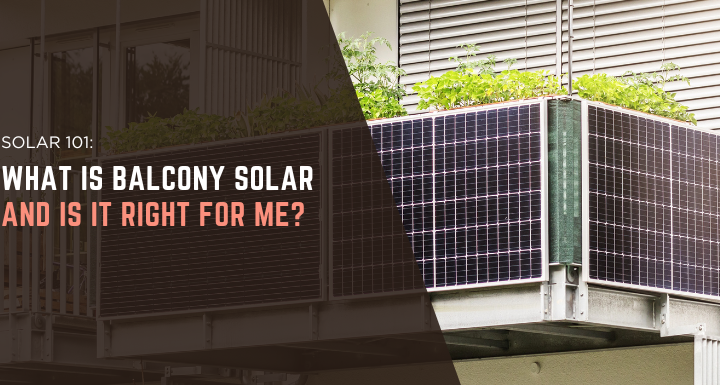
Plug-in solar (sometimes called “balcony solar”) is a small system, usually one or two panels, that plugs into a standard wall outlet. No electrician. No rooftop mount. Utah passed the first U.S. law recognizing these systems and other states are following. Much of these new laws are based on Germany’s precedent, where millions of plug-in solar kits are installed with a spotless safety record.
So why the safety debate? Two concepts are in the spotlight.
Backfeeding vs. incidental power sharing
Before greenlighting plug-in solar, American utilities and lawmakers want to be absolutely sure that these systems aren’t a safety risk to people or property. One of the primary concerns is what happens to surplus power that gets “exported” to the utility grid.
- Backfeeding is when a system pushes a meaningful amount of electricity back onto the grid during an outage. That’s a real safety concern, because power flowing the wrong way can endanger utility crews working to repair the lines.
- Incidental power sharing is what a small plug-in system actually does during normal grid operation. When your panel produces a little more than what your home circuits are using, that surplus is exported onto the grid. It’s tiny, and it happens while the grid is operating normally and live-line safety protocols are in place.
The Southern Alliance for Clean Energy (SACE) makes the point directly: this incidental sharing is harmless and completely distinct from the backfeeding that utilities worry about.
The key here is that modern plug-in units also include anti-islanding protection. So, if the grid goes down, the inverter shuts off automatically. No power flows out. That’s the built-in safeguard that answers the crew-safety question.
Refining plug-in solar safety standards
CraftStrom CEO Stephan Scherer argues the next wave of state laws should use tiered wattage definitions and export limits to keep systems safe and the grid reliable.
In plain English:
- Tiered wattage sets a ceiling on how big a plug-in system can be before it triggers stricter rules. A small unit gets the easy, plug-and-go treatment. A larger one may need more oversight.
- Export limits cap how much power the system is allowed to send back. Keep it low, and you stay firmly in “incidental” territory rather than backfeeding.
For a homeowner, these rules are the whole reason plug-in solar can skip the permitting and interconnection paperwork a rooftop array requires. Less red tape. Lower cost. Faster setup.
Ready to see your numbers?
See your real solar price in 90 seconds
Enter your address — we'll show you the system, savings, and price for your exact roof.
Why plug-in solar isn’t on net metering
Here’s a detail worth understanding before you buy.
Net metering (NEM) is the billing arrangement where your utility credits you for surplus solar power you send to the grid. It’s a core part of the payback math for a full rooftop system.
Most state plug-in solar legislation excludes these small systems from net metering tariffs, according to SACE. That’s not a punishment. It’s the trade-off that keeps plug-in solar simple. Because export is capped and the surplus is incidental, there’s nothing meaningful to credit. You save by using the power your panel makes in real time, not by banking exports.
So how do you save? Your plug-in panel powers base loads (your fridge, WiFi router, digital clocks, and other “always on” devices) at a lower cost per kilowatt-hour than your utility. You won’t see a credit on your utility bill; you’ll just buy fewer kilowatt-hours from the grid.
Plug-in solar won’t zero-out your bill, but it’s a low-cost, low-commitment way to see hands-free savings.
Solar.com’s Advice
Plug-in solar can be a legitimate and low-risk entry point into solar, and it’s genuinely safe when it meets your state’s wattage and export rules. Just be clear on what it is and isn’t:
- It’s an on-ramp. Affordable, renter-friendly, and quick to set up. A good way to see solar work before committing to a roof.
- It’s not a full home solution. No net metering, no home battery backup, and limited offset. If you want to seriously hedge against rising energy costs, a rooftop system with storage does far more heavy lifting.
Pro Tip: Check your state’s plug-in solar law first. The tiered wattage and export limits decide whether you can plug in and go, or whether you’ll need extra steps.
If you’re ready to consider a full-rooftop system, get your solar price in 90 seconds on solar.com.
Your next step
See exactly what solar costs on your roof
We use satellite data and your utility rates to show your price and payback in about 90 seconds, with no sales calls.