CA Passes Remote Inspection Bill: How Much Will It Cut Solar Costs?
California just took a step toward reducing the time and cost of installing rooftop solar. The state Legislature passed AB 1738, a bill that lets homeowners and contractors request a remote inspection instead of waiting around for an inspector to show up in person.
The bill breezed through both California state houses and now awaits Governor Newsom’s signature.
So let’s break down what this bill actually does and how it affects the price you pay for solar.
What AB 1738 Actually Does
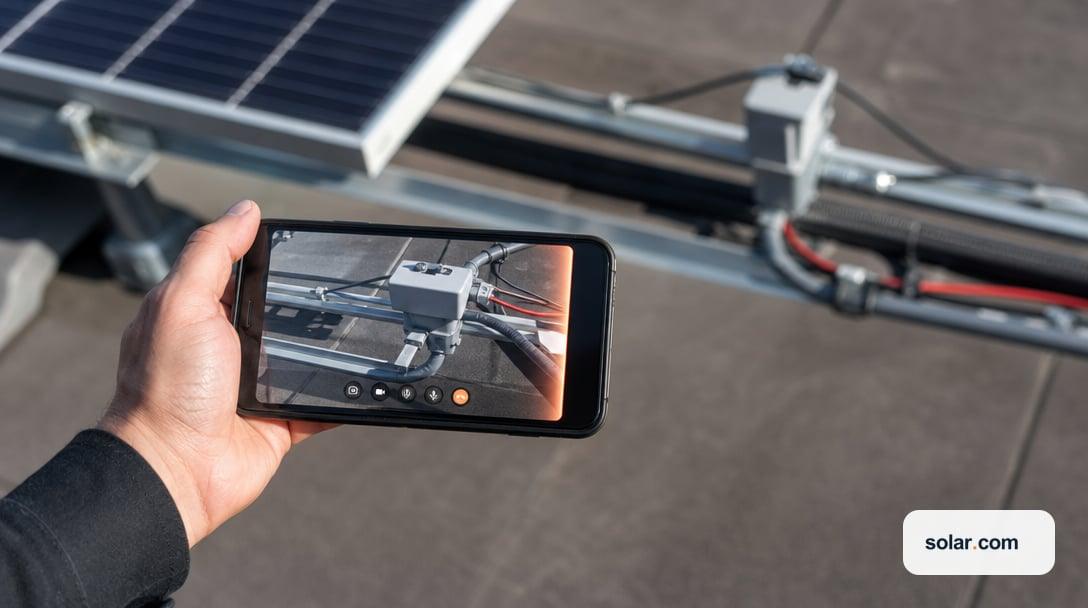
Right now, if you install rooftop solar in California, a local building official usually has to come out and physically inspect the job before your system can turn on. AB 1738 changes that. Starting in 2028, residents and contractors can use video calls, photos, and videos to prove a project is up to code, according to reporting from PVTECH.
The bill covers rooftop solar systems that are 15kW or less (roughly 30-35 premium solar panels). That’s well above the size of a typical home array. Home batteries can be included in remote inspections, but some projects, like main electrical service upgrades, will still require an in-person visit, so it’s not a blanket free pass.
This is not a totally new idea in California. As Intersolar & Energy Storage North America reported, 19 jurisdictions already allow remote inspections, and Los Angeles County runs 20-40% of its inspections remotely. AB 1738 takes that patchwork and makes it available statewide.
How This Lowers Your Solar Bill
The savings here come from cutting what the industry calls “soft costs.” Those are the parts of a solar project that have nothing to do with panels or wiring, things like permitting, paperwork, and inspections.
The numbers are eye-opening. According to SPUR, a co-sponsor of the bill, California contractors can wait up to six hours for an inspection that takes 15 minutes to complete, and that wasted time is often passed on to the customer. SPUR estimates it adds $600 to $1,000 to the cost of a single solar, battery, or heat pump installation.
Multiply that across the state and it adds up fast. Backers of the bill project it could save Californians more than $500 million over three years.
Simply put: faster inspections mean lower labor costs, and lower labor costs mean a lower-cost install.
AB 1738 follows other recent moves in Sacramento to make home solar easier, including a separate bill to legalize balcony solar systems. Lawmakers are clearly trying to get more panels and batteries onto California roofs.
Ready to see your numbers?
See your real solar price in 90 seconds
Enter your address — we'll show you the system, savings, and price for your exact roof.
Our Advice: Don’t Wait Until 2028
Don’t get us wrong, this is definitely news worth celebrating. But our advice is simple: Don’t step over a $20 bill to pick up a $1 bill.
Saving $600 to $1,000 on soft costs is a nice chunk of change but, in many cases, that’s far less than most homeowners can bank in electricity cost savings by installing solar and battery storage this year.
California utility rates are among the highest in the country, and they keep climbing. Every month you keep paying full retail power, you’re spending money a solar array could be offsetting. For most homeowners, that monthly bill savings from now until 2028 dwarfs the one-time inspection savings you’d be waiting on.
See for yourself. Get a price and bill savings calculation for your home in 90 seconds on solar.com.
Your next step
See exactly what solar costs on your roof
We use satellite data and your utility rates to show your price and payback in about 90 seconds, with no sales calls.