UL 3700 Certification: Which Plug-In Solar Products Have This Safety Stamp?
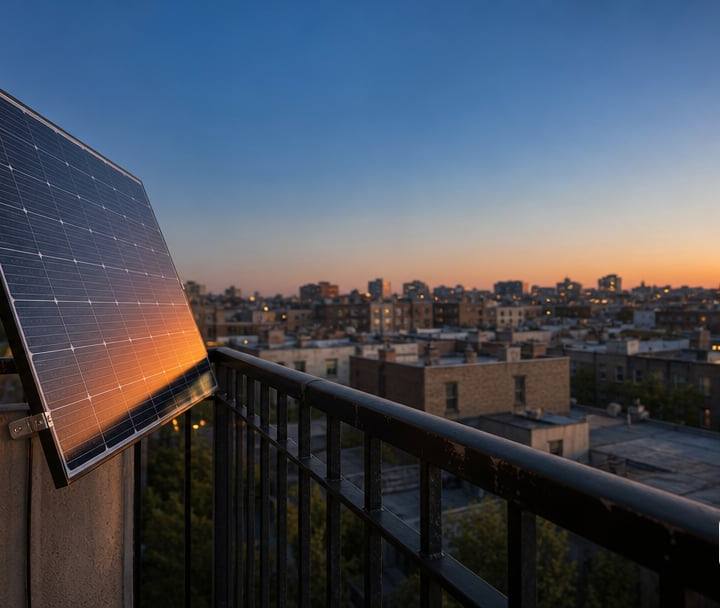
Plug-in or “balcony” solar is finally safe and legal in a growing number of states. And there’s a single label that tells you a kit clears the bar. It’s called UL 3700. If you’re a renter or homeowner eyeing a small balcony setup to shave your electric bill, this is the certification to focus on.
Here’s what it UL 3700 is, which products carry this stamp, and what to expect from a certified plug-in solar setup.
What is UL 3700, and why does it matter?
UL stands for Underwriters Laboratories, a safety-testing company that’s been around for over a century. When you see the UL mark on a phone charger or a space heater, it means an independent lab checked that the product won’t shock you or start a fire.
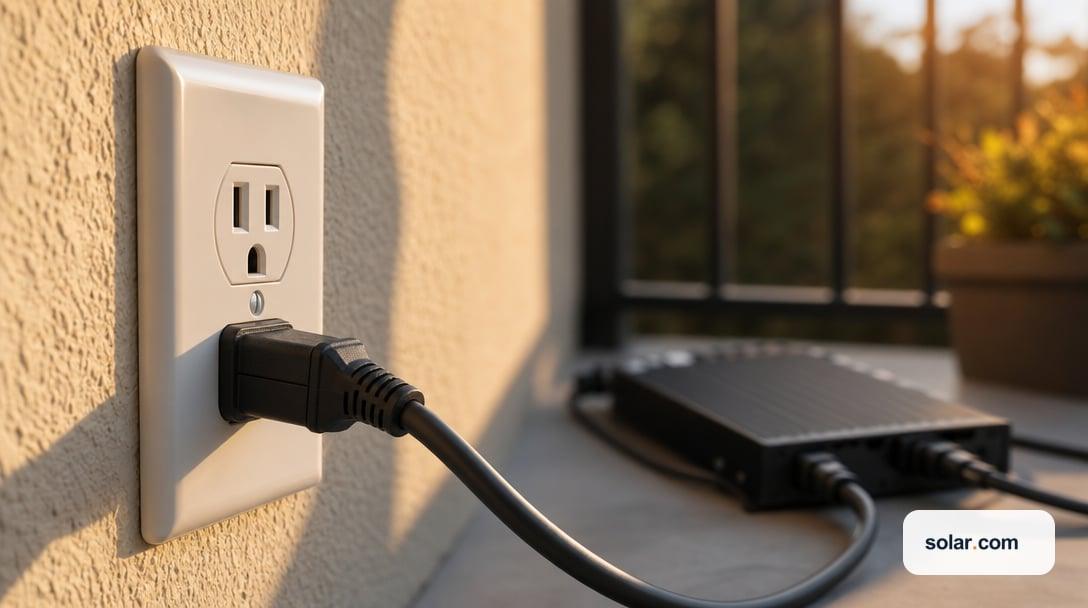
Until recently, there was no UL standard built specifically for plug-in solar. That was a problem. Balcony solar works differently from rooftop panels. Instead of being hardwired by an electrician, these small kits plug straight into a normal 120-volt wall outlet. The same kind you plug a toaster into.
That simplicity is the appeal. But plugging a power source into your wall raises real questions. What if you unplug it while the sun is shining? What if the grid goes down and your panels keep pushing power onto lines a utility worker is fixing?
In January 2026, UL Solutions launched a dedicated testing and certification program built on UL 3700. It sets clear rules for how these kits must be built, tested, and labeled. As UL’s Ken Boyce put it, the goal is to give manufacturers and consumers “the clarity they need to embrace plug-in solar systems with confidence.”
Why the label is now the law in some places
Here’s the part that hits your buying decision. Plug-in solar has been one of the biggest solar policy stories of 2026, with bills taken up in 36 state legislatures. Several of these laws require kits to be certified to a recognized safety standard, and some name UL 3700 outright. That makes it the de facto standard nationwide.
Utah kicked things off in 2025, becoming the first state to allow systems up to 1.2 kilowatts without utility approval. States including Virginia, Maryland, Maine, Vermont, New Hampshire, Colorado, and Connecticut have since passed their own laws, and New Jersey recently joined the list.
Simply put: in many of these states, buying a UL 3700 kit isn’t optional. It’s how you stay on the right side of the rules.
The safety features you’re getting with UL 3700
A UL 3700 certified kit has to pass tests for the exact worries people raise about plug-in solar. Here’s what that buys you:
- Dead prongs in a heartbeat. Unplug the cord while the sun is out, and the metal prongs go “dead” in under a second. No shock from an exposed plug.
- Blackout protection. If your neighborhood loses power, the panels automatically stop sending electricity out, so line workers stay safe.
- Overload protection. The kit monitors how much power it’s pushing so it won’t overheat the wiring already in your walls.
- Ground-fault protection. Built-in sensors act like the reset button on a bathroom outlet, cutting power instantly if they detect a leak.
- Weatherproofing. The panels and plug box have to survive heat, freezing rain, and wind without failing.
If you want the deeper version of how power flows safely from a plug, we broke it down in Is Plug-In Solar Safe? Backfeeding vs. Sharing, Decoded.
Ready to see your numbers?
See your real solar price in 90 seconds
Enter your address — we'll show you the system, savings, and price for your exact roof.
Which companies have UL 3700 certified products
The list is short but growing. That’s good news for buyers who want a product that’ll still be supported years from now.
- Hoymiles was first out of the gate. In July 2026, its HiFlow Pro became the first microinverter to earn UL 3700 certification.
- APsystems followed with its EZ1 plug-in microinverter, CSA certified to UL 3700 standards. APsystems has made microinverters for over 15 years, so its kit has a long track record behind it.
- Mango Power became the third, earning certification for its Mango Power S kit, which bundles four 300-watt panels, four microinverters, a smart gateway, and mounting hardware.
That these are established manufacturers matters. A certified microinverter from a company that’s been around means firmware updates, warranty support, and replacement parts are far more likely to exist down the road.
What to expect from a UL 3700 kit
Balcony solar won’t take you off-grid. It quietly trims the power you buy from the utility, especially the “always-on” load from your fridge, router, and standby electronics. A standard 800-watt kit often covers 15% to 25% of a typical apartment’s monthly use.
Here’s a quick breakdown:
- Cost: roughly $600 to $1,500
- Payback: 3 to 6 years, depending on your electric rate
- Output: 1,000 to 1,400 kWh per year in sunny areas
Buy a $1,000 kit that makes 1,000 kWh a year, and over 10 years you’ve collected electricity that would’ve cost more than $2,800 from the utility. That’s about $1,800 kept in your pocket, and a nice hedge against rising energy costs.
Solar.com’s Advice: Before you buy, confirm two things. First, that your state allows plug-in solar. Second, that the kit’s microinverter is UL 3700 certified. Check those two boxes and you’ve got a safe, legal, bill-cutting little power plant you can even take with you when you move.
And if you own your roof, it’s worth comparing. A full rooftop system usually offsets far more of your bill. You can get real solar quotes for your address in about 90 seconds and see which path pencils out.
Your next step
See exactly what solar costs on your roof
We use satellite data and your utility rates to show your price and payback in about 90 seconds, with no sales calls.