


According to the Solar Energy Industries Association, by the end of 2018, there should be close to 2 million solar installations in the United States. This impressive number is the result of a U.S. solar market that has seen average annual growth of 59% over the last 10 years.
As the market continues to grow and the number of installations rises, there is still a major roadblock that is limiting the potential for mass consumer adoption. This issue stems from the fact that 49% of households that would otherwise be able to support a solar panel system, for one reason or another, are unable to go solar. Renters who wanted to power their home with solar, for instance, would need to convince the property owner to install solar panels.
Community solar farms are a relatively new innovation in the industry and can offer these households access to solar energy in a much more accessible and affordable way. Today, community solar programs can be found in 26 states, and are especially popular in New York.
If you live in New York or are planning to move there, knowing about their community solar programs can allow you to access solar even without having to install a system at your home.
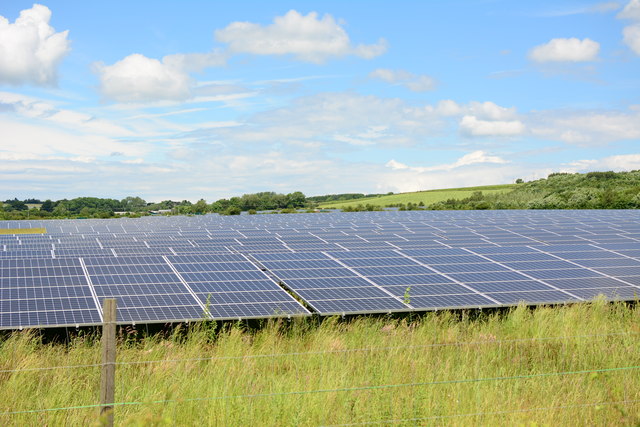
Community solar – a solution for anyone who doesn’t have roof space for their own panels.
How Does Community Solar Work?
Community solar farms are large solar arrays that can supply solar energy for multiple homes, properties, facilities, etc.
Community solar programs ensure that the generated energy is properly distributed to the involved community. These programs provide renewable energy options to individuals that would otherwise never have this opportunity.
Those involved in shared solar programs usually benefit by owning or leasing a part of the community solar panel system, or can even purchase kilowatt-hour blocks of renewable energy generation. Check this video to know more about kilowatt hour.
The local utility companies run these solar arrays through their grid because they require net energy metering solutions to be practical. This model allows community members to receive energy credits from the generated community energy and use them to save money on their electric bill.
Generally speaking, a community solar contract will save the customer around 10% each month on their energy bill.
Why is community solar so popular in New York?
Community solar is becoming more and more popular in New York each year. In fact, in March of 2018, Governor Cuomo announced the completion of the largest community solar program in the state.

Governor Cuomo announces more renewable projects in the state (source)
This community solar array includes close to 10,000 panels and was completed by Delaware River Solar. This came as a result of an investment of $1.3 million made by the state. The 2.7-megawatt community solar array will provide clean energy to over 350 homes in the Mid-Hudson Valley region.
This community solar farm is just one out of over 300 community solar programs in New York, which are all boosted by Cuomo’s $1 billion NY-Sun initiative that focuses on making solar more accessible for residents of New York State.
Together, these programs can provide hundreds of megawatts of community energy to over 100,000 homes and are a big part of New York’s goal for 50% renewable energy consumption by 2030.
How to Find a Community Solar Project Near You
If you live in New York and are unable to install a solar panel system at your home, community solar may be the perfect option for you. The first step is finding out if there is a community program in your area.


