On Sunday, January 5, 2017, during the Superbowl between the New England Patriots and the Atlanta Falcons, the American Petroleum Institute (API) purchased a 30 second TV ad for a new public relations campaign called “PowerPastImpossible.org” for $5 million.
The API campaign highlights six issues in the American oil and natural gas industry:
- Oil and natural gas mean jobs.
- Supposedly “new oil” is cleaner than “old oil,”
- Oil allows people to be creative,
- Natural gas means saving money for Americans,
- Natural gas supplies the energy needs of citizens and
- Oil provides the means for making medical devices.
Unfortunately, the “PowerPastImpossible.org” campaign also contains 15 gigantic lies about the oil and the natural gas industry. All these lies need to be refuted and attacked … now.
The biggest single lie
Somehow the oil and natural gas industry is good for life. Nothing could be further from the truth. The 63 million barrels of oil consumed each day in the USA produces 43,911,000 pounds of C02 and makes a huge contribution to the daily 110 million tons of C02 dumped into the atmosphere each day.
The daily production of C02 by the developed world is actually increasing (that is, going up) every day, every week, every month and every year.
In short, the planet is dying from this C02 burden.
Lie Number 1: Oil Jobs vs. Solar Jobs
The American Petroleum Institute (API) claims that pro-oil and gas policies could “generate nearly 1.9 million jobs opportunities between 2015 and 2035.” In fact, the fastest growing job category is in wind and solar as these alternatives to oil and gas power surge and will be the new source of jobs in the future.
Lie Number 2: Jobs in the Petrochemical Industry
The API campaign makes the statement that “almost 1.3 million jobs will be available in the petrochemical industry in the next 10 years.” This  projection fails to take into account the wide-spread rejection of carbon-based pollution, including the plastic pollution of the oceans and earth.
Alternatives are available. Old, polluting industries will be disrupted.
Lie Number 3: Jobs for Hispanics, Blacks, and Women
The American Petroleum Institute campaign promises jobs for blacks, Hispanics and women. They claim that blacks will have 130,512 jobs, Hispanics will have 576,446 jobs and women will fill 290,000 jobs in the next 20 years.
Of course, this assumes that the exploding solar and wind industries somehow fail and do not replace carbon industries.
Lie Number 4: Jobs for Blue Collar Workers
The API says that in the next 20 years 57% of the new jobs will be “blue collar” and claims that 1,056,052 of such jobs will become available for those with little or no education.
Meanwhile, jobs in the coal sector continue to disappear and as US oil and gas production falters jobs opportunities in those sectors are eliminated.
Lie Number 5: Fashion
Is fashion really dependent on the old and polluting industries of petroleum and natural gas? According to the API campaign, the answer is yes. They say, “Odds are, something you’re wearing right now is made from petroleum.”
Of course, we know that sustainable practices and renewable materials are not only widespread in the fashion industry, but are increasingly the drivers of advertising in this sector because people are demanding new practices and new materials.
Lie Number 6: Transportation
Bio-fuels and sustainable jet engine fuels are quickly coming to market to make transportation of all sorts renewable. But for the API only carbon fuels make “modern travel possible.”
Nothing could be further from the truth. And, if we continue to pursue carbon sources of energy the chances for future generations to travel the world will be certainly reduced, not enhanced.
Lie Number 7: Housing
Modern housing is not dependent upon petrochemicals, oil, and gas. Sustainable practices are quickly coming to the housing sector of the economy. However, for the API oil and gas are “used to build lightweight homes” and this is supposedly a benefit, even as we continue to threaten all life on planet earth with the use of oil and natural gas.
(As a kicker, the API claims that oil and gas “use very little water” in the construction of homes, therefore “protecting a valuable resource.”)
Lie Number 8: Financial Savings from Natural Gas
Only by failing to account for the environmental damage done by the consumption of oil and gas can the API get to the statement, “American families saved” money by the use of these pollutants. In the short run this may be true, but a full and honest accounting of the external costs of these energy strategies would show something entirely different.
Namely, the horrific impact of oil and gas strategies simply shifts to 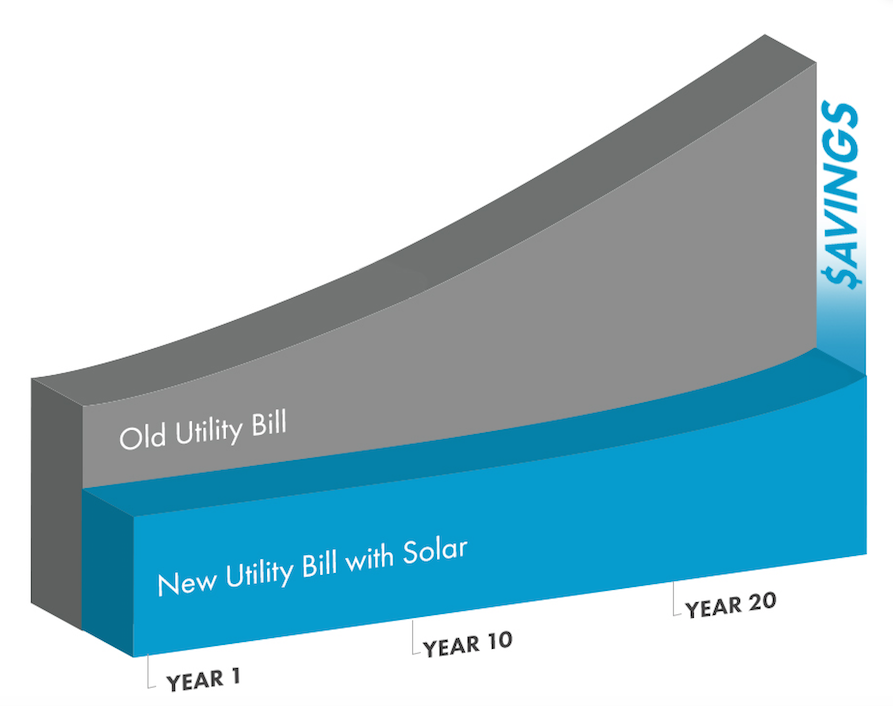 future generations the true impact of 110 million tons of C02 being dumped into the commons each day by oil and gas companies.
Lie Number 9: Utility Savings
According to the API, “everyone can save money on heating, cooling, bathing, and cooking” with the use of petroleum oil and natural gas. That’s like saying to a diabetic they should eat sugar “to feel better.”
In the short run, both of these claims may be true but are deadly strategies in the long run. If we produce a dead planet due to carbon pollution, what good is a communal strategy for the “low costs” of carbon pollution?
Only by ignoring the pollution created by oil and gas can the API get to a recommendation that “everyone” can live an improved life with the use of petroleum.
Lie Number 10: Oil Runs Cleaner
While it is true that improvements in industrial techniques mean that less pollution is present in modern energy strategies, the larger truth is that we are headed down a disastrous path by using oil and gas sources when alternatives such as solar and wind are available.
API claims the oil industry spent “$160 billion over the past 24 years on producing cleaner burning fuels.” Even if this is true, the fact is that C02 pollution by these fuels is increasing to unsustainable levels.
Lie Number 11: We’re Not Polluting as Much as We Used To
The API wants us to believe that “gasoline is cleaner than ever before.” While true, this like saying that a heroin addict is “reducing his consumption.” The use of gasoline is deadly for the planet and the use of heroin is deadly for the addict.
The use of gasoline, coal, oil and natural gas have produced an INCREASING burden of C02 in the atmosphere which in turn is producing climate change and disastrous unintended environmental consequences for the planet and all living things on the planet.
Lie Number 12: Prosthetic Hips and Knees Made From Petroleum
In spite of what the API would have Americans believe, it is not true that medical devices are dependent upon petroleum and oil. Artificial hips and knees can be made from sustainable materials and from energy sources other than oil and natural gas.
This is true of all sectors of the economy and it just takes citizens recognizing the dangers of using oil, gasoline, coal and natural gas and shifting their consumption habits to new sources of energy and materials.
Lie Number 13: Fuel For Ambulances
The next time you go to the hospital, wouldn’t it be nice to think you could be transported there without killing the planet? The good news is that this can be done! However, according to the API, only gasoline can “power ambulances” for trips to the hospital.
This is laughable on its face; we all know that the electric car, the electric truck and the electrification of all transportation systems is exploding across the world. (In Finland 37% of all new car sales are now electric.) Ambulances can and will be made sustainable, in spite of the claims by the American Petroleum Institute.
Lie Number 14: “Can You Imagine Living Without A Gas Stove?”
The API rhetorically asks, “Can you imagine living without a gas stove?” For those who care about future generations living on a sustainable planet, the answer has to be an enthusiastic “YES!” All energy, including for cooking and other household needs, can be supplied from sustainable and renewable sources.
Lie Number 15: “The Developing World Needs Oil and Natural Gas Energy.”
According to the API, “2.5 billion people in the world still rely on wood and charcoal for cooking.” The API says that all of these people should be burning carbon sources of power for cooking.
When we know that solar stoves, and alternative sources of power such as wind and PV solar can supply everyone on earth with non-polluting energy for cooking, washing, and other household needs.
Author Bio
Peter Coye is a well respected clean energy advocate and a frequent visitor of our Los Angeles Clean-tech Incubator.


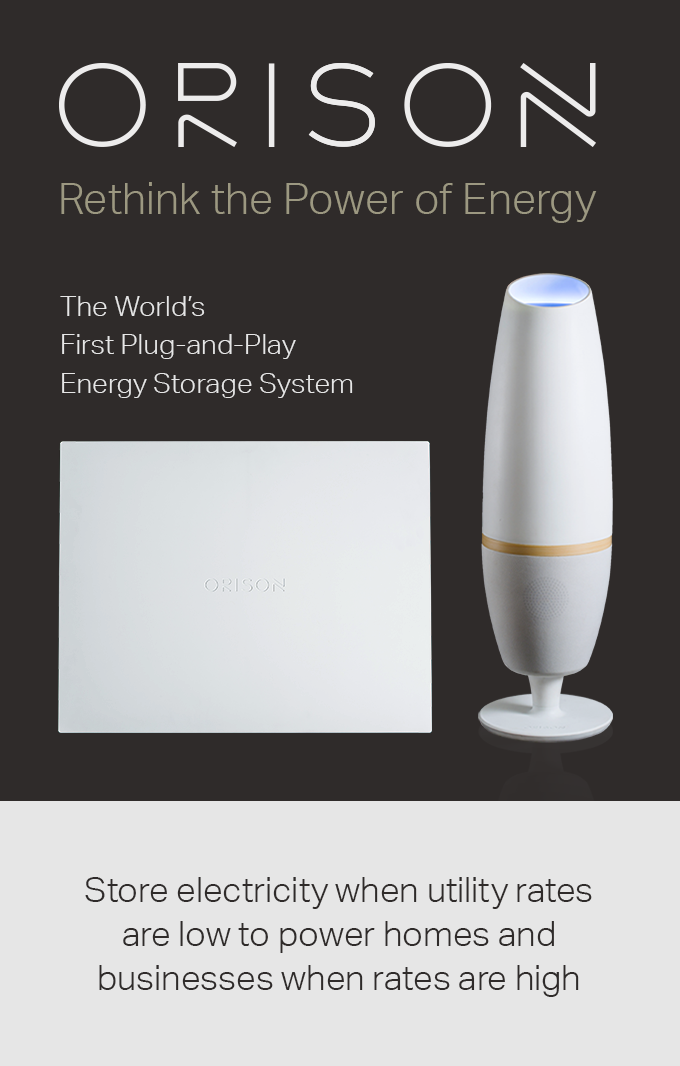 capacity units, Orison instead envisions smaller batteries with only a couple kilowatt hours each that are set to charge specific appliances.
  the certification they need to begin shipping product.


