


Over six decades ago, New Jersey scientists announced their invention of a practical silicon solar panel. Solar panels have come a long way since then, but many are still made out of the same material: monocrystalline silicon. Monocrystalline solar panels remained the number one seller in the industry for many decades, yet that’s no longer the case.
In recent years, polycrystalline silicon solar panels have surpassed monocrystalline to become the highest selling type of solar panel for residential projects. Consumers who are now forced to pick between monocrystalline or polycrystalline are often left wondering, what’s the real difference?
How is Monocrystalline Made?
Both are made of silicon, of course, but producing monocrystalline is a much more involved process. Monocrystalline is made using the Czochralski process, named after the Polish scientist who serendipitously discovered it after accidentally dipping his pen into molten tin 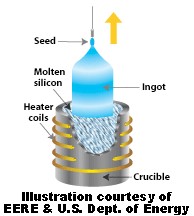 instead of ink. The process consists of rotating a solid silicon seed crystal while slowly extracting it from a pool of molten silicon. This process creates a pure block of silicon made of just one crystal (thus the name monocrystalline). This block, or ingot, is then cut into a square, creating a good deal of wasted silicon. The square of silicon is then sliced into uniformly colored wafers and assembled into the characteristic monocrystalline solar panel pattern.
How is Polycrystalline Made?
In comparison, producing polycrystalline is relatively simple. A single silicon crystal seed and molten silicon are put into a square mold and allowed to set. The silicon cools at different rates as the outside cools more quickly and thus sets first. The uneven setting results in the creation of many different crystals (hence the name polycrystalline) giving the panel its sparkly, multicolored appearance.
Polycrystalline Solar Panels
Polycrystalline is also about 20% cheaper to produce and creates less waste silicon in the process. If you’re looking for the lowest price, polycrystalline panels are probably your best bet. However, polycrystalline experiences internal efficiency losses due to the structural inconsistency at the seams where two different crystals meet; due to the lower purity of the silicon. Polycrystalline panels have about 13 to 16% efficiency, while monocrystalline panels have an efficiency rate of anywhere from 15 to 20%. You would need a much larger array of polycrystalline panels to produce the same amount of energy than if you used monocrystalline, which may not work for households with limited roof space.
Monocrystalline Solar Panels
Though monocrystalline panels are generally more expensive, some households will find that their overall system price will be cheaper than if they used polycrystalline panels. Because more polycrystalline panels are required to generate the same amount of energy, homeowners will need to invest in more installation costs, racking equipment, and potentially in inverters (if you’re using string inverters*). Monocrystalline panels also perform better in higher temperatures and shady conditions, though there will only be marginal efficiency differences. Paying a higher upfront price for monocrystalline panels might also make the most economic sense in the long run if you buy your system as opposed to leasing it. With higher efficiency and more energy generated, you might see a greater return on your investment in the form of lower energy bills.
Related reading: How To Choose Solar Panels for Your Home
Solar Panel Overview
Monocrystalline:
- Higher efficiency
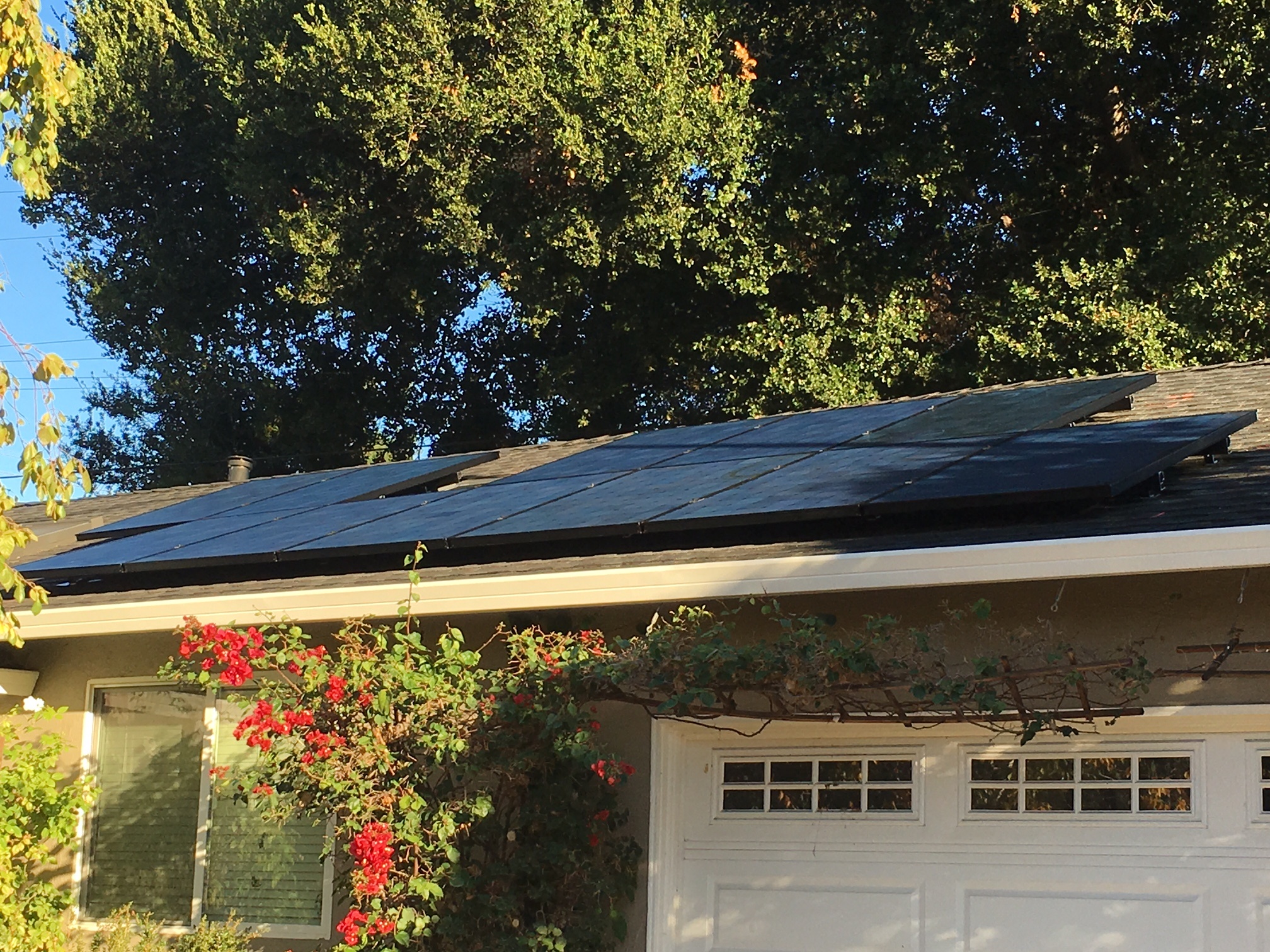
- Uniform color (usually black)
- More expensive
- Performs better in high temperatures and shady conditions
Polycrystalline:
- Lower efficiency (but improving)
- Fragmented color (usually blue)
- Less expensive
- Less efficient in higher temperatures
So Which Solar Panel Should You Choose?
It depends on your preferences and unique situation! A guide on Solar panel review can help you narrow down your choices. If you have a limited amount of roof space and want to maximize your energy output, monocrystalline panels may be your best bet. If you’re planning on leasing your solar panels and will pay a fixed rate regardless, polycrystalline panels are a great choice. At the end of the day, the best choice will be whatever fits your specific needs. If you want to discuss your situation, feel free to give us a call at (888) 454-9979; if you want more information on solar, please subscribe to our blog here.

 be included in the gross system cost while some will not. For example, you may be eligible for utility or state-run rebates, which are independent of your federal tax credit. We recommend you consult your CPA or tax advisor to maximize the tax credit for your particular situation. For current information on incentives, including incentive-specific contact information, visit the Database of State Incentives for Renewables and Efficiency

