Page 197 | Solar.com

Please enter a valid zip code.

The Nuts and Bolts of California’s Self Generation Incentive Program

By Solar Incentives by State No Comments

California is taking a bold step toward solar energy self-consumption. On May 1st, California will accept applications for a limited time rebate program that rewards homeowners for purchasing a battery storage system which connects to a solar system (installed or yet to be, more on this later).

What is SGIP?

This program is called the ‘Self Generation Incentive Program’, or referred to as SGIP. The California state-funded SGIP incentive budget allocates 75% to energy storage technologies, with 15% of the funds set aside for residential storage projects. The only requirement is that it must be connected to a renewable energy source and classified as a true self-generation facility (i.e. Solar).

SGIP is great because it provides incentives to all different levels of solar customers to consider adding a storage system and making a truly dynamic energy generation system. If you already have solar (installed your solar before hearing about SGIP) and wish to apply, you can just buy the battery and still qualify for the rebate. If you are currently looking to go solar, you can still qualify for the rebate.

As long as you have a signed battery agreement or a solar+battery agreement by May 1st, you can still reserve your incentive! You have up to 12 months to install a solar system that is coupled with a battery or to install just a battery to your already existing solar system. Everybody wins.

How the SGIP Application Process Works

The California Public Utilities Commission (CPUC) way of apportioning it is through 3 separate steps. Step 1 has allotted ~$6 Million for residential projects (The CPUC could increase this amount). Step 1 will be distributed as a lottery for all those applications submitted on May 1st.

The incentive rate for Step 1 is $0.50/Wh (Watt-hour) of the usable capacity of the battery you select e.g. a 10 kWh sonnenBatterie system will receive a $5,000 incentive. Once the funds for Step 1 have been exhausted, the Program Administrator will initiate a pause period of no more than 20 days – most industry experts expect it to be one week – before Step 2 begins.

On the day it re-opens, your application will be submitted by Solar.com instantly for Step 2, which is a first-come-first-serve process for all those not selected during Step I. Step 2 has an incentive rate of  $0.40/Wh, a ten cent step down from Phase I. Once Phase 2 funds are exhausted, the same process starts over for Phase 3 ($.30/Wh), until all the funds are depleted.

How to Truly Be a Net-Zero Household

The current demand for these batteries is very high, and we want to make sure you reserve your incentive as soon as possible. We will take care of the entire hassle of the SGIP application for you, and are excited to help you claim the best battery incentive the state may ever offer.

If you’d like to see what battery offers are available for this program, please reach out to us through our contact form. There are currently a few different models, like the Sonnen battery Eco series, the Tesla Powerwall 2, the LG Chem, and others, which qualify for the rebate.

We can walk you through the process in further detail and provide a vendor-neutral opinion on your available options.

Fossil Fuel Alternatives – Three Renewable Options

By 5 Ways That Solar Energy Benefits the Environment No Comments

Currently, 85% of the world’s population is reliant on fossil fuels. While the fossil fuel industry is the leading contributor to climate change, it is also a finite source that will be depleted. In order to continue on, humans must find other sources of energy to rely on. So, what sorts of alternatives are available?

If only there were inexhaustible energy sources that didn’t produce harmful emissions, were cheaper to generate, and gave us a domestic energy source we can rely on….. Well, it turns out these forms of energy already exist, and have for decades:

  • Wind 
  • Solar
  • Hydroelectric

1. Wind Power

When the blades on the windmill are exposed to wind forces, they begin to rotate the turbines, converting the kinetic energy in the wind into mechanical energy. This then powers a generator to create electricity. Wind power is a clean energy source and costs about 7 to 15 cents per kWh to produce. Wind turbines can stand 328 feet tall and higher, making lots of open space a necessity to generate electricity.

2. Solar PV

Solar photovoltaic panels are able to convert sunlight into usable energy for your home. The benefit to solar is the ability to install panels on your roof and turn your own home into a clean energy source while eliminating your current electricity bills, adding equity to your home, and allowing you to save money while doing so. The cost per kWh for electricity from solar power is about 12 cents on average in the US.

3. Hydroelectric

Hydroelectric power uses the energy from flowing water to generate electricity. Typically water is trapped into a reservoir or dam. When released the flow of water rotates a turbine, which in turn powers a generator to create electricity. The average cost per kWh to operate hydroelectric power is 3 cents, making it the least expensive form of clean energy. 

Now let’s compare these with some fossil fuel sources.

Coal

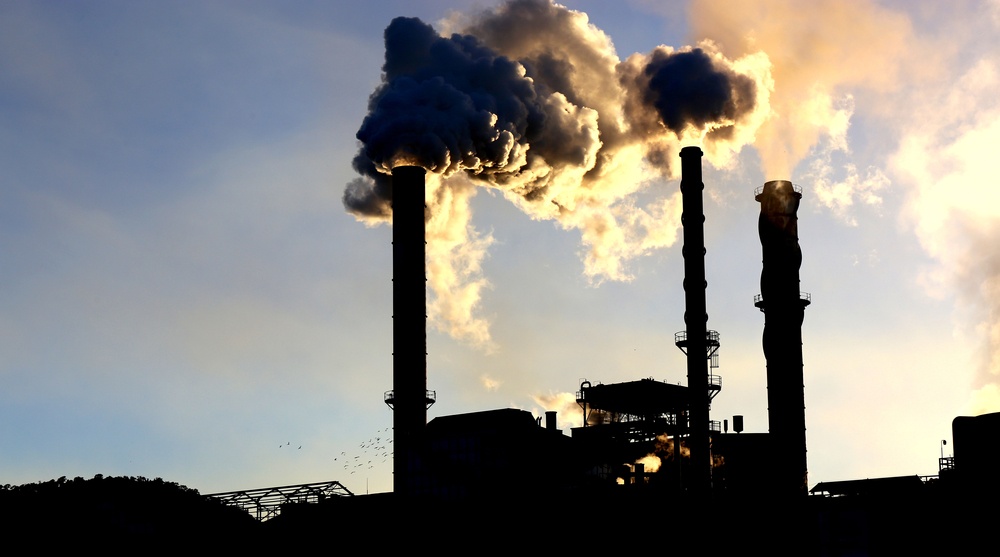
Burning coal produces heat which turns water into steam, which is then used to power a turbine, in turn powering a generator and producing electricity. Burning coal also results in the emissions of toxic greenhouse gases and localized air pollution. This contributes to global warming, smog, acid rain, asthma, heart disease, cancer and much more. The cost per kWh of electricity from coal power plants is between 10 to 15 cents. There are other costs to factor in though. Reports from Harvard Medical School found that an added $500 billion (about 17 to 27 cents per kWh extra) should be factored in as well for external costs of coal, including increased health risks and disease as well as negative environmental impact. So why haven’t you switched to clean energy like solar?Fossil Fuels.jpg

Natural gas

Natural gas is released through a process called hydraulic fracking, in which water, sand, and other chemicals are forced at high pressure under the surface of the earth. Fracking results in increased earthquakes where the earth has been opened up through this process. Though natural gas produces fewer emissions than other fossil fuels, it still emits toxic emissions when it is burned. Natural gas costs about 7 to 14 cents per kWh, not including the added health costs and environmental impacts, which range on average about 16 cents per kWh.

Comparing All Your Energy Options

Comparing the costs of different forms of energy can become a bit convoluted when you’re thinking about the cost going into building a power plant, transmission of energy, distribution, etc. The levelized cost of energy is a good indicator to compare the real costs of these forms of energy. Lazard recently conducted a wide study on the levelized energy costs, showing how renewable forms of energy cost much less than fossil fuels without subsidies or external cost factors included.                                                    

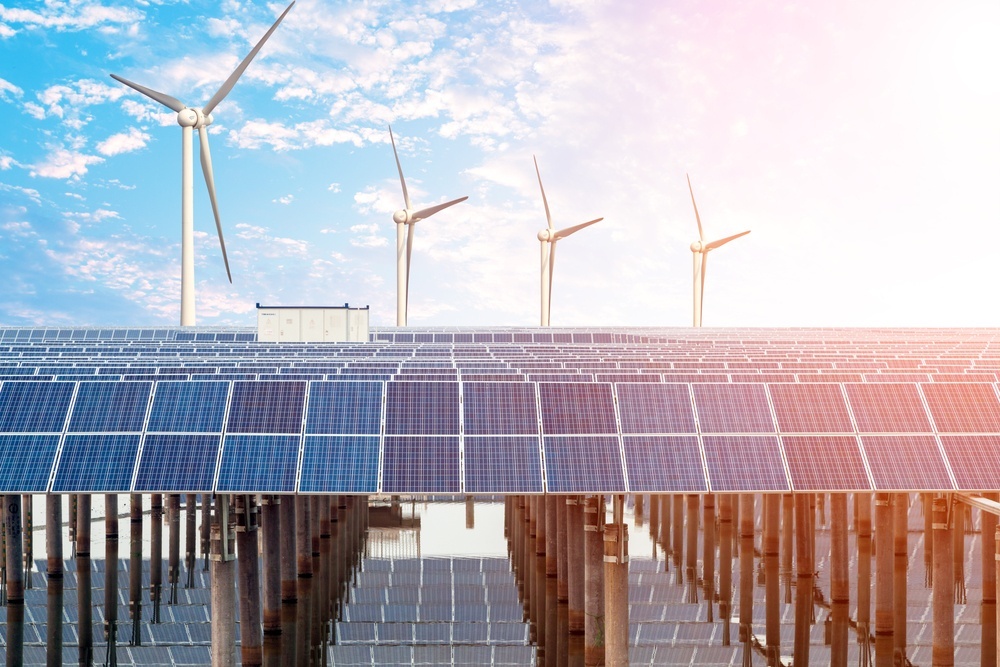
Not only is renewable energy cheaper to operate without the added costs from harmful emissions, but they are also safer and cleaner forms of energy. The release of greenhouse gases such as carbon dioxide and other emissions from fossil fuel energy generation are the drivers of Clean energy.jpghuman induced climate change. Climate change is causing worldwide drought, crop failure, famine, increasing natural disasters such as earthquakes and floods, and rising health risks in children and adults due to air pollution and water contamination. If we continue to exploit fossil fuels and release toxic emissions we will continue to see the harmful results to our health and planet.

When it comes to our energy independence and security, renewables again provide a safer and more reliable domestic form of energy, without the risks. With renewable energy, we are decreasing the need to rely on foreign ties for our energy sources, without contributing to climate change.  As well, where fossil fuels are a finite source that will run dry in the next 50-100 years (with disastrous effects), clean energy has an infinite supply of power, with no dangerous emissions resulting from its use. The renewable market is also a job driver and beneficial to the US economy. Just last year, the amount of jobs in the solar industry has doubled. The clean energy job market continues to thrive, and the amount of Americans working in electricity in renewable energy has now surpassed the number of Americans working in fossil fuel electricity generation.

Clean energy is the future, and an opportunity to benefit Americans all around with cheaper electricity prices, reduced pollution, and energy, job, and economic security. If you’d like to find out more about how you can jump on the renewable energy train, maybe solar power for your home is the way to go! Solar.com can help you to jump-start your clean energy lifestyle, find out more about if it’s a good fit for you here. If you would rather speak to an expert, please call (888) 454-9979.